
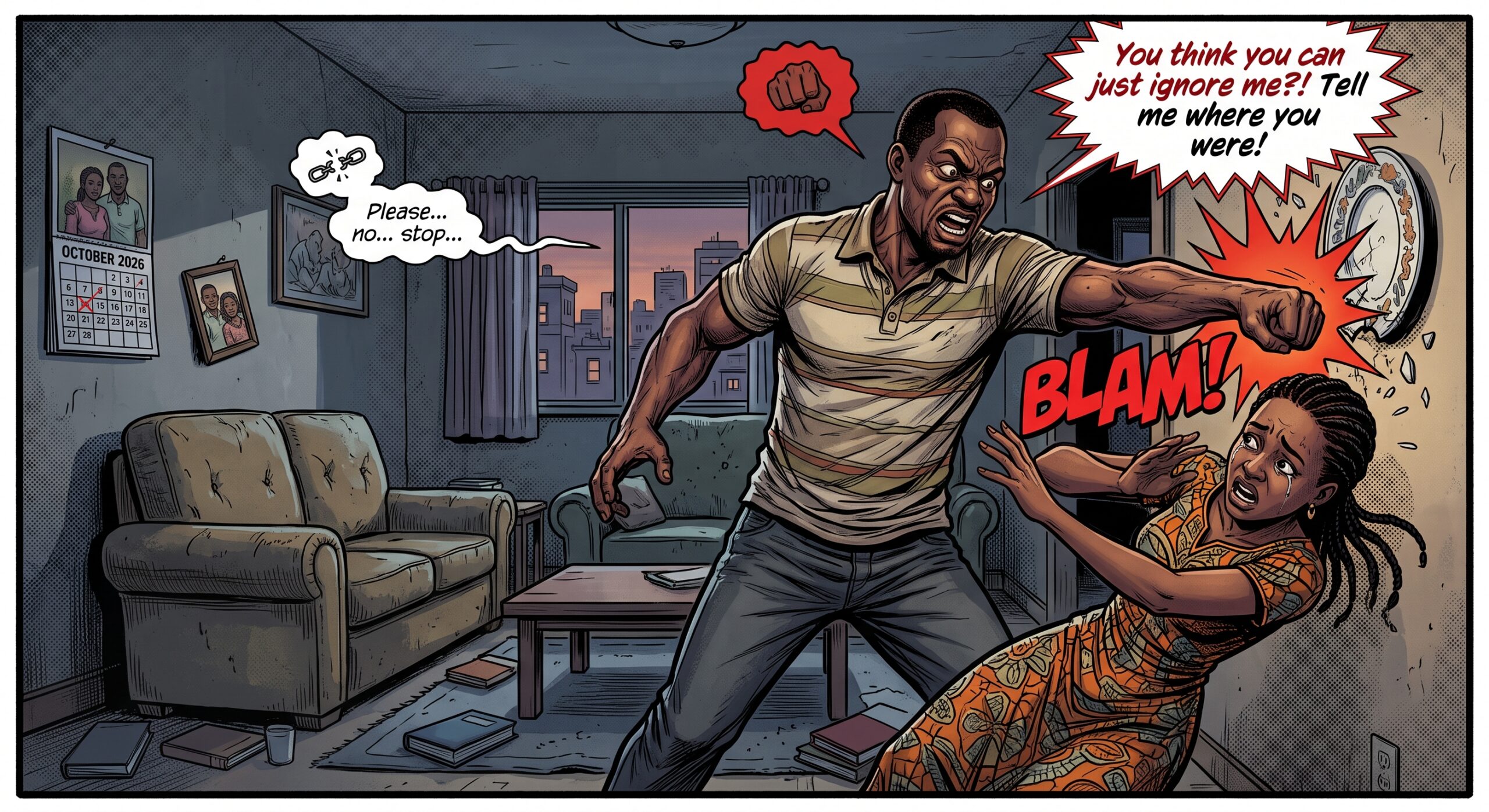
Identifying and Categorizing Gender-Based Violence (GBV)
1. Foundational Understanding: The GBV Umbrella
To address Gender-Based Violence (GBV), practitioners must look beyond individual incidents to the systemic structures of harm. Using the frameworks provided by the World Bank and the European Institute for Gender Equality, we define this phenomenon as follows:
The Umbrella Definition
Gender-Based Violence is a term for any harmful act perpetrated against a person’s will that is based on socially ascribed (gender) differences between males and females. While it can affect people of all genders, it disproportionately impacts women and girls. It includes acts that inflict physical, sexual, or mental harm; threats of such acts; coercion; and the deprivation of liberty or resources, whether occurring in public or private life.
The Three Roots of GBV
The persistence of GBV is driven by three foundational “roots” that intersect to maintain cycles of violence:
- Gender Inequality: A systemic phenomenon where one gender is socially valued over another, creating a baseline for discrimination and the marginalization of women’s rights.
- Misuse of Power: The exploitation of a position of authority, physical strength, or social status to dominate, control, or coerce another individual.
- Harmful Social Norms: Deeply embedded cultural beliefs or traditions that are frequently used as an excuse to justify violence and restrict the autonomy of individuals.
While these roots are structural, they manifest in clear, categorizable acts. Moving from theory to practice, we must identify the six major categories used to classify these harms.
Category 1: Physical Violence — Beyond the Argument
Physical violence is the most visible manifestation of gender-based harm. It involves intentional acts where physical force is used to assert dominance or inflict suffering.
Specific Acts Include:
- Beating and hitting
- Kicking and pushing
- Biting
- The use of objects or weapons (e.g., belts, sticks, or knives)
Argument vs. GBV
A critical skill for the practitioner is distinguishing a high-conflict disagreement from an act of GBV. The distinction lies in the intent to control and the use of force.
|
Feature |
Family Argument |
Physical GBV |
|
Nature |
A verbal difference of opinion. |
The use of physical force or harmful objects. |
|
Goal |
Resolving a conflict or expressing frustration. |
Exerting gender-based control or asserting dominance. |
|
Outcome |
Boundaries are eventually respected; no physical harm. |
Physical suffering, violation of the body, and the enforcement of fear. |
Scenario: The Inheritance Dispute A man slaps his sister during a family disagreement over a property inheritance.
- Why it is GBV: This is not a simple “family matter.” The slap is a tool of power used to silence the sister’s claim and enforce a patriarchal dynamic where the male relative’s interest is protected through violence.
Practitioner Note: It is vital to remember that physical and sexual violence frequently co-occur; the presence of one should alert the responder to the high probability of the other within the cycle of control.
Category 2: Sexual Violence — Exploitation, Abuse, and Harassment
Sexual violence refers to non-consensual sexual acts or acts targeted at a person’s sexuality. It is characterized by a violation of bodily integrity and the misuse of trust.
Sexual Exploitation
- Definition: The abuse of a position of power or trust for sexual purposes, including profiting economically or socially from the act.
- Scenario: In Lagos, a landlord named Mr. Adebayo tells his tenant, Nneka, that he can “forget half the rent” if she agrees to be “extra nice” and have a “little relationship” with him.
- So what? This is a direct misuse of power. Mr. Adebayo exploits Nneka’s economic vulnerability and her need for housing to coerce her into sexual favors.
Sexual Abuse
- Definition: Actual or threatened sexual intrusion, occurring by force or under coercive conditions.
- Scenario: A relative touches a child inappropriately, relying on their trusted position within the family to ensure the child’s silence.
- So What? This is a profound violation of trust. The perpetrator uses the victim’s vulnerability and the “safety” of the family environment to commit a coercive intrusion.
Sexual Harassment
- Definition: Unwelcome sexual advances, requests for sexual favors, or other verbal or physical conduct of a sexual nature.
- Scenario: A supervisor repeatedly asks a junior colleague out on dates, continuing even after she has clearly expressed her discomfort and refused his advances.
- So What? This reflects gender inequality and entitlement. The supervisor feels entitled to her time and body, creating a hostile environment where she fears her career will suffer if she maintains her boundaries.
The violation of a person’s body is almost always preceded or sustained by the violation of their mental well-being and psychological safety.
Category 3: Psychological Violence — The Invisible Chains
Psychological violence is the use of non-physical force to break a person’s spirit, isolate them, or control their movements through fear and coercion.
The “Abuja Apartment” Scenario: In an apartment in Abuja, Kemi’s partner confronts her about her plans to visit her family. He demands her phone, stating, “You can only use your phone if I can monitor every message.” When she protests, he adds, “If you set foot in that house… I will take the children and you will never see them again.”
Specific Elements of Harm:
- Digital Control: By monitoring every message, the perpetrator removes Kemi’s right to privacy and creates a “digital leash” that isolates her from external support.
- Emotional Threat: The threat of permanent separation from her children is a high-stakes form of blackmail. It uses Kemi’s maternal bond as a weapon to ensure total compliance.
These psychological threats often transition into economic deprivation, where the perpetrator controls the victim’s survival.
Category 4: Economic and Financial Violence — Deprivation as Control
Economic violence involves causing harm by denying access to financial resources, property, or communication tools, or by controlling finances without consent.
Scenario: The Canceled Phone Line A man cancels his wife’s phone line so that she cannot contact her friends or family without his specific permission.
- So What?
- The Perpetrator’s Benefit: Isolation. By removing her independent means of communication, he ensures she is entirely dependent on him for information and social connection.
- The Survivor’s Harm: Loss of autonomy. She is deprived of a modern necessity and the ability to maintain a social or professional life outside of the home.
Economic control at the individual level is often mirrored by broader, community-enforced practices framed as tradition.
Category 5: Harmful Traditional Practices — Culture vs. Rights
Harmful Traditional Practices (HTPs) are acts frequently defended as “cultural” or “traditional” but which constitute severe human rights violations and gender-based harm.
|
Practice |
Associated Harm |
|
Child Marriage |
Limits education and health; occurs before legal age of consent. |
|
Female Genital Mutilation (FGM) |
Partial/total removal of external genitalia; causes severe physical and psychological trauma. |
|
Widowhood Rites |
Degrading rituals (shaming, isolation) forced on women after a husband’s death. |
|
Widow Inheritance |
Forced marriage to a male relative without free or informed consent. |
|
Menstrual Stigma |
Social isolation and restriction from normal activities due to cultural beliefs. |
|
Witchcraft Accusations |
Labeling individuals (often women/elderly) to justify abuse and isolation. |
|
Breast Ironing |
Physical pain and long-term health effects used to delay biological development. |
|
Harmful Initiation Rites |
ceremonies (e.g., the Ozoro Festival) involving physical or sexual abuse. |
|
Denial of Property Rights |
Preventing women/widows from inheriting land or family assets. |
Scenario: Widowhood Rites (Shaming) A community leader publicly shames a widow for remarrying, claiming it violates the “sanctity” of their tradition.
- Why it is GBV: Public shaming is a tool used to enforce a harmful social norm. It is not “private culture”; it is a public act of psychological violence used to control a woman’s life choices and punish her for exercising her autonomy.
As society moves online, these traditional patterns of control have found a new, rapid delivery system.
Category 6: Online and Technology-Facilitated Violence
Digital GBV involves harmful acts committed or aggravated by the use of information and communication technology.
Scenario: The Group Chat Violation A woman discovers that private, personal messages between her and a friend have been shared in a large group chat by her ex-partner without her consent.
The Unique Pattern of Digital Harm:
- Speed and Reach: Digital abuse can be witnessed by hundreds of people in seconds, making the harm near-instantaneous.
- Persistence: The digital record is permanent. The survivor is re-traumatized every time the messages or photos resurface.
- Lack of Physical Boundaries: Technology allows a perpetrator to reach a survivor at any time and in any place, removing the traditional “safety” of the home or workplace.
Quick Reference Guide
|
Brief Scenario Snippet |
Correct GBV Category |
Key Indicator |
|
Pressing adolescent breasts to delay development. |
Harmful Traditional Practice (Breast Ironing) |
Physical harm is used to control biological development. |
|
Relative touches a child under coercive conditions. |
Sexual Violence (Sexual Abuse) |
Sexual intrusion involving force or abuse of trust. |
|
Partner demands to monitor all phone messages. |
Psychological Violence (Digital Control) |
Monitoring is used to isolate and eliminate privacy. |
|
Slapping a relative over a property dispute. |
Physical Violence |
Use of force to assert dominance and resolve conflict. |
|
Preventing a widow from inheriting family land. |
HTP / Economic Violence |
Denial of property rights based on gender/status. |
Safety Note for Practitioners
This compendium discusses themes of physical, sexual, and emotional harm. Identifying GBV can be emotionally taxing for both the practitioner and the survivor. Always ensure you are operating within a safe environment and are aware of the referral pathways available for those in immediate distress.
Conclusion
Identifying Gender-Based Violence requires us to look past the common excuses whether those excuses are “tradition,” “a heated argument,” or “trying to be helpful.” At its core, GBV is always about an underlying pattern of harm rooted in gender inequality and the misuse of power. By naming it correctly, we take the first step toward stopping it.